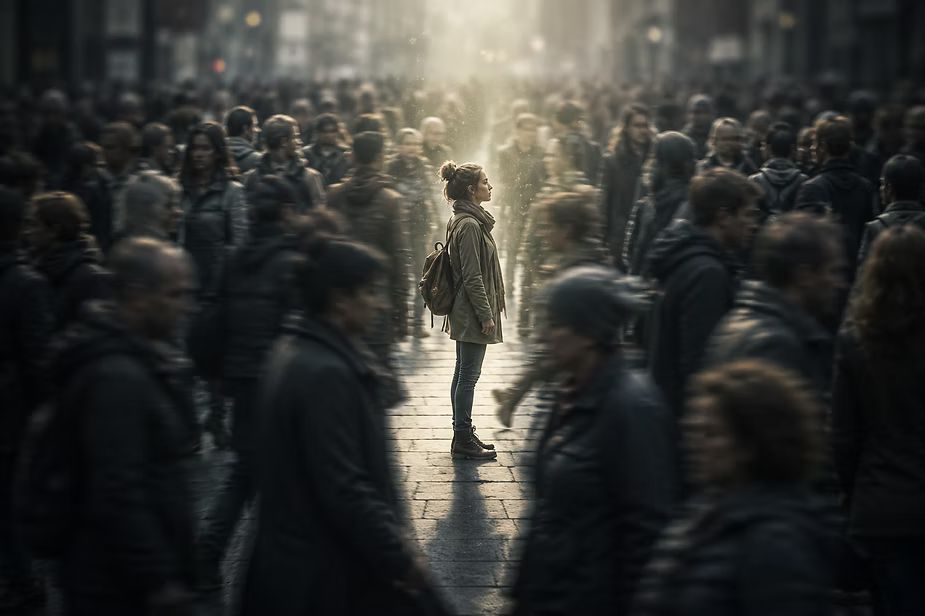
Somewhere along the way, we learned to believe that rest must be earned. Finish the work. Complete the task. Answer the messages. Meet the deadline. Take care of everyone else. Then, perhaps, you may rest.
Even our language gives it away, we say we are taking a rest, as though rest were something temporarily borrowed from a life that really belongs to productivity.
We talk about deserving a break, and we feel guilty when we sit down while there is still something left to do. And even when we finally stop, our bodies may be still while our minds continue working. We have become very good at stopping. I am not sure we have become very good at resting.
Rest Was Never Meant to Be a Reward
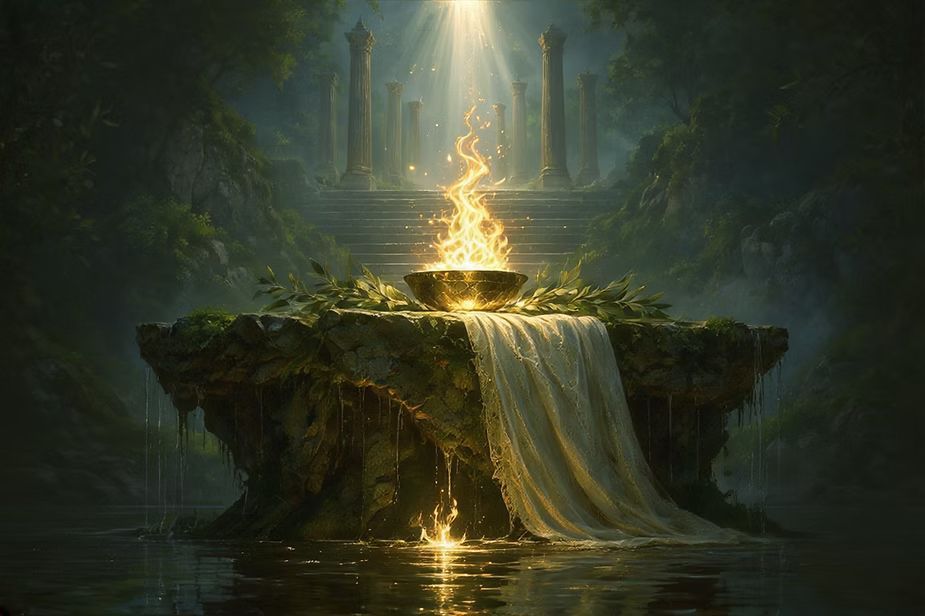
The opening story of Scripture gives us something very different. God creates light, sky, land, water, living things, human beings and then God rests. Not because He is exhausted. Not because creation has finally become too much. Not because He has completed enough tasks to justify taking the afternoon off.
God rests because creation has reached a place of fullness. Rest is not presented as compensation for work. It is part of the rhythm of creation itself.
That changes the question. Perhaps the question is not, "Have I done enough to rest?" Perhaps it is, "What kind of life am I creating when I never do?"
We Have Confused Rest with Recovery
Recovery happens because something has depleted us. Rest is different. Recovery says, I have spent something and need to get it back. Rest says, I am willing to stop spending myself long enough to inhabit what already is.
This distinction matters, because we can become so accustomed to depletion that recovery becomes our only relationship with stillness. We collapse. We sleep. We recover just enough to begin again, and then we repeat the cycle. But biblical rest offers something deeper than the opportunity to recharge so that we can become productive again. It invites us into another way of being altogether.
What If Rest Is Participation?
The word rest can sound passive to us, doing nothing, stopping, pausing. But Scripture gives us a much more interesting picture. The seventh day is blessed and set apart, and something happens in the stopping. The world does not cease to exist because God stops creating. Creation continues. The earth turns. Life breathes.
The human being simply stops trying to make everything happen, and there is a profound spiritual practice hidden here: allowing God to be God while we are not.
We often speak about trusting God, but sometimes trust looks remarkably ordinary.
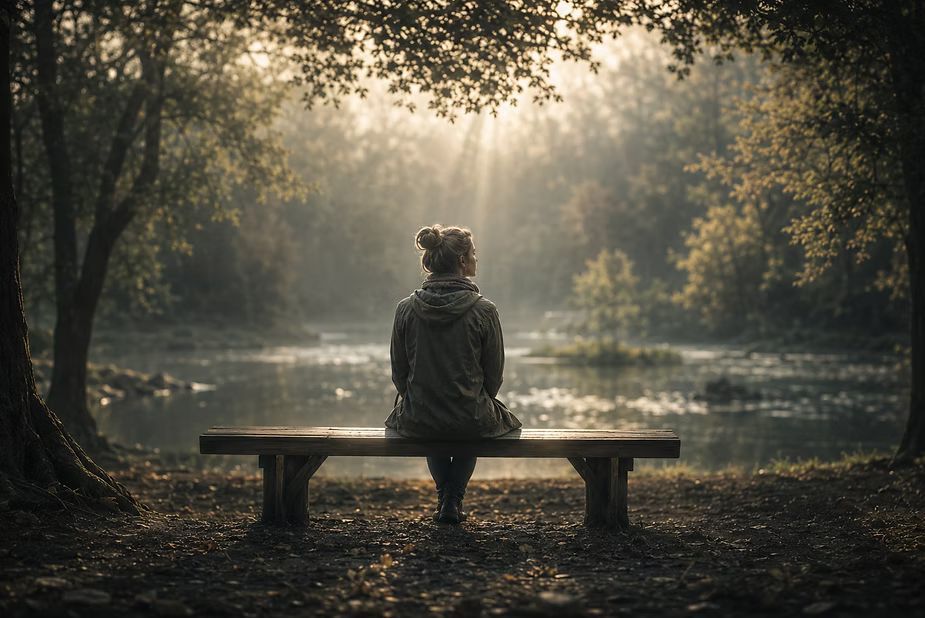
It looks like putting the work down. It looks like leaving the email unanswered until tomorrow. It looks like allowing a room to remain imperfect, or sitting beneath a tree without turning the moment into content. It looks like eating without rushing, and breathing without needing the breath to accomplish anything. Rest interrupts our need to prove that we are necessary, and that can be deeply uncomfortable.
The Body Knows This Before the Mind Does
The body is constantly receiving information about the way we live. We may tell ourselves that we are fine, and our shoulders may disagree. We may say we have peace, and our breathing may tell another story. We may insist that we are trusting God while our entire body remains organized around control.
This is one reason I have become increasingly interested in the relationship between spirituality and embodiment. We do not encounter God as disembodied ideas we encounter Him as human beings. We breathe. We hear. We touch. We smell. We see. We taste. We move. We become tired. We sleep. We wake. The body is not an inconvenient container carrying our "spiritual" selves around.
It is part of the way we experience being human.
Perhaps this is one reason breath is such a powerful biblical image. God does not merely give humanity instructions for living God breathes life into the human being. Life begins with receiving. Before we accomplish anything, we receive. Before we produce, we breathe. Before we make ourselves useful, we are alive.
Perhaps We Need to Recover the Difference Between Being Alive and Being Useful
This may be one of the deepest wounds of a productivity-shaped culture. We begin to measure our value by our output what did you accomplish, what did you produce, what did you build, how many people did you help, how much money did you make, how much did you get done?
These are not necessarily bad questions, but they become dangerous when they become the questions through which we determine whether our lives have value.
A newborn baby has accomplished almost nothing, and yet we do not look at a newborn and ask whether the baby has earned its right to exist. We simply delight in its being. Somewhere along the way, many of us stopped believing that God could delight in us that way. We became projects. We became assignments. We became ministries. We became businesses. We became useful, and usefulness slowly replaced belovedness. Rest begins to challenge that exchange.
Rest Asks Us to Receive Again
There is something deeply vulnerable about receiving. To work is often to exercise agency we decide, we organize, we build, we produce, we control. To rest is to release some of that control. We become receptive. We notice. We breathe. We listen. We receive what we did not manufacture.
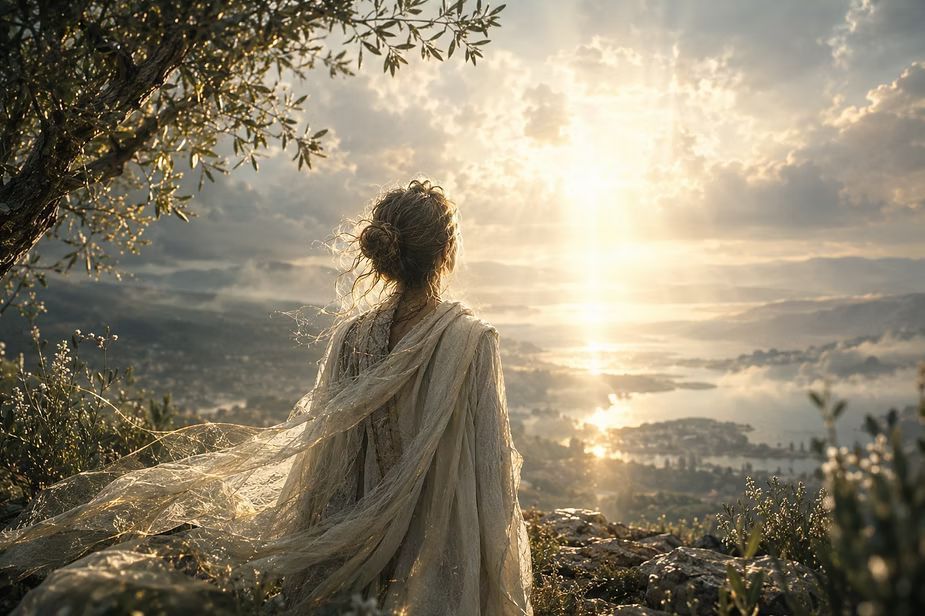
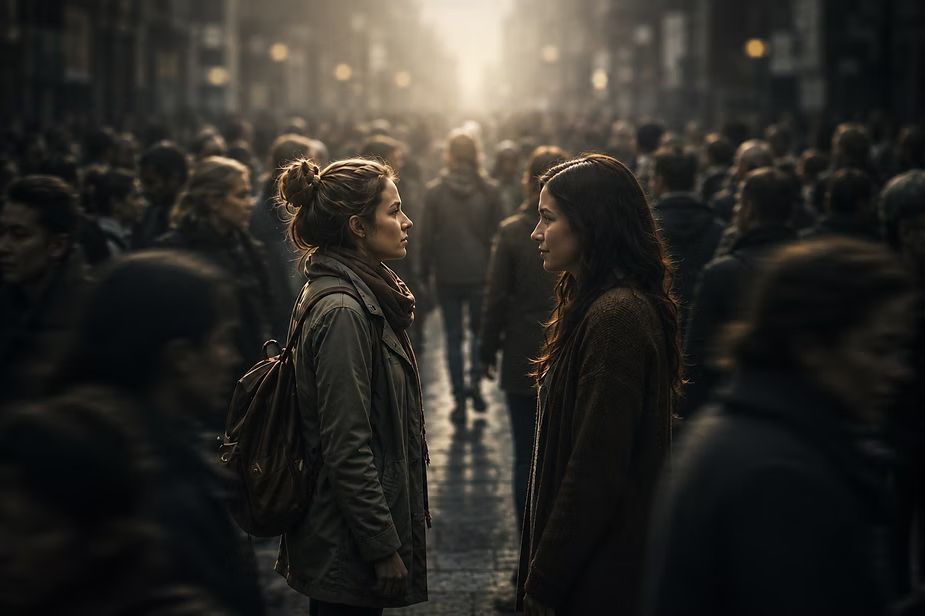
Perhaps this is why genuine rest can feel strangely difficult. It is not merely that we have busy schedules. Sometimes we have built our identities around being needed, and stopping forces us to encounter the question underneath our productivity: who am I when I am not producing? That question can be frightening, and it can also become an invitation, because the answer cannot ultimately be found in what we produce. Before you made anything, you were already made. Before you accomplished anything, you were already called good. Before you became useful, you were already loved.
Rest Is Not the Opposite of Creation
This is important. I am not arguing for a life of passivity. Creation matters. Work matters. Excellence matters. Building matters. There are things only you can make, people you are called to serve, ideas that need your hands, and work that will require courage, discipline, and perseverance. But perhaps creation was never meant to come from perpetual depletion. Perhaps we were designed to create from fullness rather than constantly trying to create fullness through our work. That is a very different way to live.
Instead of work, depletion, recovery, work perhaps there is another rhythm: receive, create, release, rest, receive again. Not an escape from life, but a deeper participation in it.
So Perhaps the Question Is Not, "Have I Earned My Rest?"
Perhaps it is: what would change if you stopped treating rest as the reward for becoming enough? What if you rested before you were exhausted? What if you allowed something to remain unfinished, sat in silence without trying to hear a message, or breathed simply because you were alive? What if you allowed God to love you without immediately turning that love into something you had to accomplish?
Maybe rest is not where we go after life is finished. Maybe rest is one of the places from which life begins. And perhaps the invitation is not simply to do less perhaps it is to learn again how to receive life before we rush to produce it.
If this stirred something in you, invite a friend to read it with you this is exactly the kind of conversation that's better shared. And I'd genuinely love to hear your thoughts: let me know where this met you.'
May you encounter the Light of Christ, carry it within you, and reveal it wherever you go.
TanYah |
El-Nahara